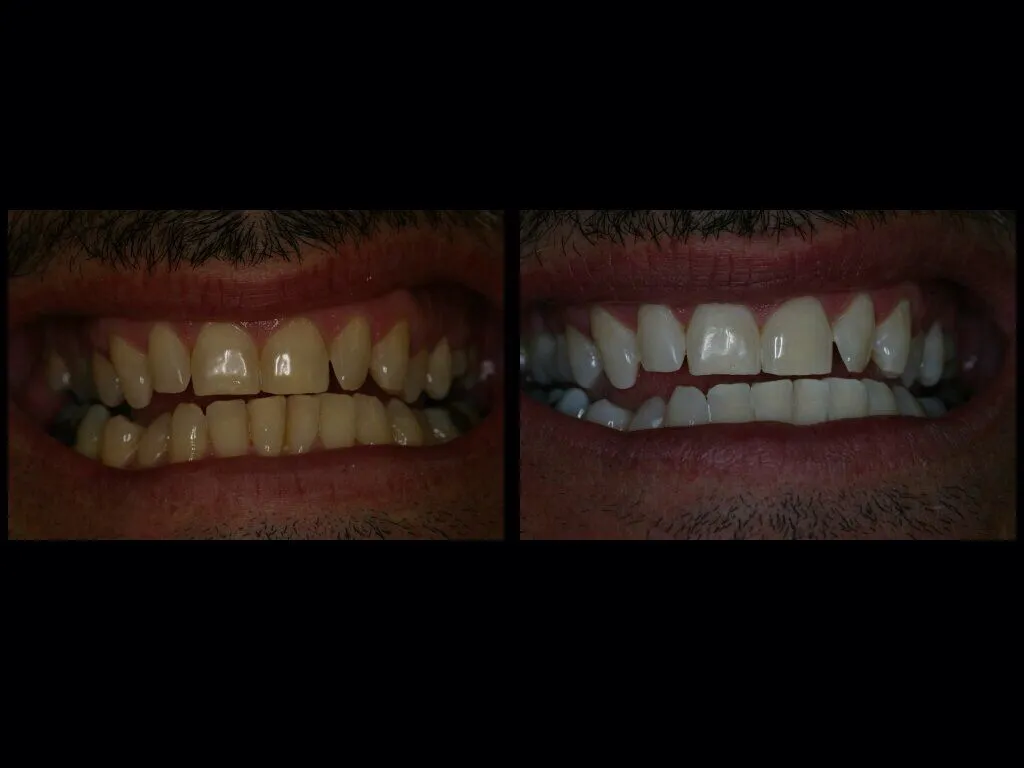
Why Food Choices Matter After Zoom Whitening
Undergoing Zoom whitening is a fantastic way to achieve a brighter, more confident smile. However, the success of your treatment and the longevity of your results heavily depend on your aftercare routine, especially your dietary choices. During the whitening process, the pores of your enamel open up, making your teeth more susceptible to staining. This means that the foods and beverages you consume immediately after the treatment can significantly impact the final outcome. By understanding which foods to avoid and why, you can protect your investment and enjoy your dazzling smile for a longer period. This article dives into the ‘white diet’ and offers practical advice to ensure your Zoom whitening results are as impressive as possible.
The Importance of a White Diet After Zoom Whitening
The ‘white diet’ is a temporary dietary approach that dentists recommend after any professional teeth whitening treatment. This diet involves consuming foods and drinks that are light in color and unlikely to stain your teeth. The rationale behind this is to minimize the risk of discoloration while your teeth are most vulnerable. Staining occurs when pigments from food and beverages adhere to the porous enamel surface. By sticking to a white diet for the recommended duration, typically a few days to a week, you allow your teeth to re-mineralize and stabilize, thus preserving the whitening effects. This proactive approach ensures your teeth stay as white as possible, allowing you to enjoy the full benefits of your Zoom whitening procedure.
Top 5 Foods to Avoid After Zoom Whitening
Coffee & Tea
Coffee and tea are notorious for staining teeth, and they should be avoided immediately after Zoom whitening. These beverages contain tannins, which are compounds that bind to the enamel and cause discoloration. Even lighter-colored teas, such as green tea, can contribute to staining if consumed in excess. The darker the brew, the higher the risk. Therefore, it’s crucial to steer clear of coffee and tea to protect your newly whitened smile.
How Coffee and Tea Stain Your Teeth
The staining power of coffee and tea comes primarily from tannins. Tannins are polyphenols that create a bitter taste and are found naturally in various plants, including coffee beans and tea leaves. These compounds have the ability to bind to the proteins in your teeth’s enamel, leading to stains. In the aftermath of Zoom whitening, when the enamel is more porous, these tannins can easily penetrate and leave behind unsightly discoloration. The longer the exposure, the more pronounced the staining becomes. Hence, limiting or altogether avoiding these drinks is pivotal for maintaining your smile’s brilliance.
Alternatives to Coffee and Tea

Fortunately, there are several alternatives to coffee and tea that you can enjoy after your Zoom whitening treatment. Consider drinking water, which helps to keep your mouth hydrated and clean. Clear herbal teas, such as chamomile or peppermint, can provide a soothing beverage without the staining risk. If you crave a warm drink, opt for a white hot chocolate. For a refreshing option, you can try milk or a clear juice, such as apple juice. These alternatives allow you to satisfy your thirst and cravings while safeguarding your investment in a beautiful, bright smile.
Red Wine
Red wine is another major culprit when it comes to staining teeth. Its dark pigment and high tannin content make it particularly damaging to the bright appearance of your teeth. Therefore, it’s essential to refrain from consuming red wine for a few days after your Zoom whitening treatment. This will help prevent the wine’s pigments from seeping into your enamel and dulling your newly whitened teeth.
The Impact of Red Wine on Tooth Color
Red wine’s intense staining capabilities are due to a combination of factors, mainly the presence of chromogens and tannins. Chromogens are the color-producing substances, and tannins are the binding agents. Together, these elements readily attach to the porous enamel, causing stains. Moreover, the acidity of red wine can erode the enamel, making it even more susceptible to staining. After Zoom whitening, when enamel is at its most vulnerable, red wine can quickly undo the treatment’s effects, leading to a less vibrant and appealing smile.
Beverage Alternatives to Red Wine

If you enjoy the taste of red wine, you can explore alternative beverages that will not compromise your teeth whitening results. Consider clear spirits like vodka or gin mixed with a clear mixer, such as soda water. White wine may be a better option, but it still contains tannins, so drink it in moderation. Water is always a safe and effective choice, especially when you need to stay hydrated. These alternatives enable you to enjoy a refreshing drink without risking your investment in a beautiful smile.
Darkly Pigmented Foods
Beyond beverages, many foods can stain your teeth after Zoom whitening. Darkly pigmented foods contain strong colorants that can easily attach to the enamel. It’s essential to be mindful of these foods and avoid them during the aftercare period. Examples of these problematic foods include soy sauce, balsamic vinegar, berries, and other dark fruits.
Soy Sauce & Balsamic Vinegar
Soy sauce and balsamic vinegar are rich in dark pigments that can quickly stain your teeth. Soy sauce’s deep color comes from fermented soybeans, and balsamic vinegar gets its color from aged grapes. Both condiments are commonly used in cooking and as salad dressings, and their intense coloring makes them risky for your teeth after a whitening treatment. Be diligent in avoiding these ingredients to protect your results.
Berries & Other Dark Fruits

Berries and other dark fruits, such as blueberries, blackberries, raspberries, and cherries, are packed with antioxidants but also contain strong pigments that can stain teeth. While these fruits are generally healthy, it’s wise to avoid them immediately after Zoom whitening. The high concentration of colorants in berries can quickly cause discoloration, undoing the work of your whitening treatment. Opt for lighter-colored fruits like bananas or apples during this period.
Colored Sodas and Sports Drinks
Colored sodas and sports drinks are packed with artificial colors and often contain high levels of sugar, making them double trouble for your teeth. The artificial colors can stain your teeth directly, and the sugar can contribute to enamel erosion, making it easier for stains to set in. These beverages offer minimal nutritional value and should be avoided for optimal aftercare after Zoom whitening.
The Acidic Nature of Colored Drinks
Many colored sodas and sports drinks are highly acidic, which further exacerbates the risk of staining. Acidic environments erode tooth enamel, making it more porous and vulnerable to discoloration. This combination of acidity and artificial coloring makes these beverages particularly detrimental to your teeth’s appearance after whitening. Instead of these, choose options that are both gentle and beneficial for your oral health.
Healthier Beverage Alternatives

When seeking healthier alternatives, choose water as your primary beverage. It helps in keeping your mouth clean and hydrated. If you need flavor, consider unsweetened, clear juices such as apple or pear juice, but consume them in moderation. Milk or clear sports drinks can also be suitable, but carefully examine the ingredients for artificial colorings. Prioritizing these options guarantees that you enjoy a healthy beverage while preserving your white smile.
Highly Acidic Foods
Highly acidic foods can erode tooth enamel, making it more porous and susceptible to staining. After Zoom whitening, your teeth are particularly sensitive to acidity. Therefore, it is important to be mindful of these foods and limit their consumption. Citrus fruits and tomatoes are common culprits that you should be cautious of.
Citrus Fruits
Citrus fruits, such as lemons, limes, oranges, and grapefruits, are highly acidic and can potentially damage tooth enamel. Their acidic nature can soften the enamel, making it more porous and prone to staining. While citrus fruits offer great health benefits, it is advisable to limit their consumption immediately after Zoom whitening treatment. If you consume these fruits, rinse your mouth with water afterward to minimize their effect on your teeth.
Tomatoes

Tomatoes, commonly used in various dishes, have a high acidity level that can erode enamel. Their red pigment also poses a staining risk. Whether consumed raw, cooked, or as tomato-based sauces, they should be eaten cautiously in the days following your Zoom whitening. If you eat tomatoes, ensure you rinse your mouth thoroughly with water afterward to protect your newly whitened teeth.
How to Maintain Your White Smile
Maintaining your white smile after Zoom whitening requires consistent care and attention to your dietary habits and oral hygiene. Following the white diet, avoiding stain-causing foods and drinks, and practicing excellent dental hygiene are crucial steps. Regularly brushing and flossing help remove food particles and plaque that can contribute to staining. These habits, combined with regular dental check-ups, will help you retain your brighter, more confident smile for an extended duration.
Tips for a Successful White Diet
To follow the white diet successfully, plan your meals and snacks ahead of time. Focus on white or light-colored foods, such as chicken, fish, rice, pasta, and certain dairy products. Rinse your mouth with water after every meal and snack to remove any lingering food particles. Avoid any food or drink that contains artificial colorants or intense pigments. Consider eating light-colored fruits like apples or bananas. By adhering to these steps, you’ll significantly enhance the durability and vibrancy of your teeth whitening results.
Importance of Regular Dental Check-ups
Regular dental check-ups and professional cleanings are essential for maintaining your bright smile and overall oral health. During these appointments, your dentist can assess the condition of your teeth and gums, remove plaque and tartar, and provide advice on proper oral hygiene. Regular check-ups can help identify any potential issues early, preventing them from impacting your teeth’s appearance and health. By combining your diligent aftercare with professional dental care, you ensure the long-term success of your Zoom whitening treatment and enjoy a healthy, radiant smile for many years.